The Entrepreneurial Journey of Clara.io
How a pioneering web-based 3D editor pivoted from visual effects to enterprise product visualization.
Ben Houston • • 5 min read
This is the story of Clara.io, an online 3D editor we made from 2012 to 2015.
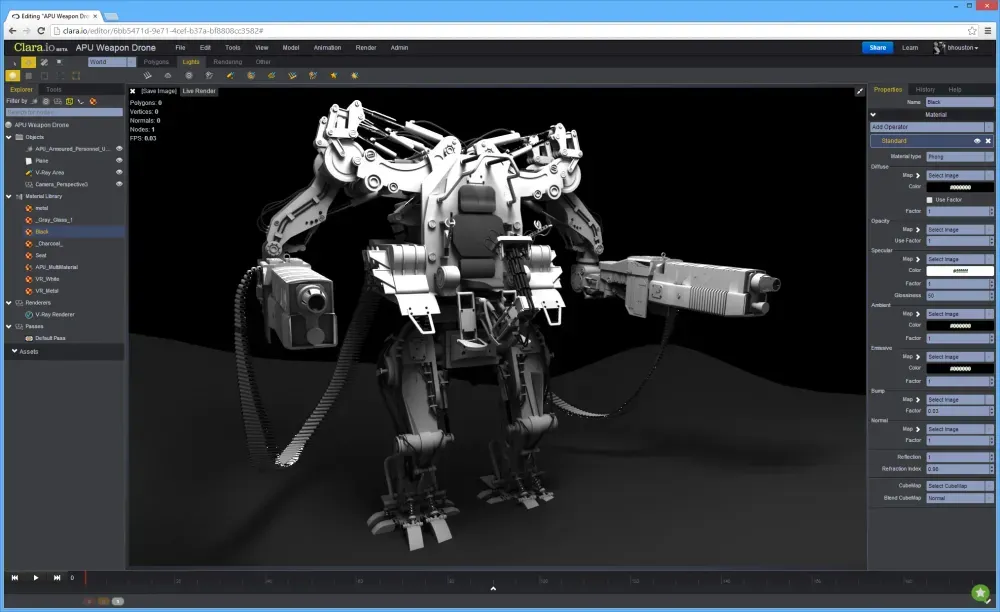
By late 2011 I had built successful VFX tools (Deadline and Krakatoa) and founded my own VFX software company, Exocortex. I saw an opportunity. The web was transforming how we used software, with applications like Google Docs and Gmail leading a migration from desktop to cloud. I knew 3D editors and digital content creation tools (DCCs), and I could see a path to moving these desktop applications to the web.
Cloud-based rendering would put powerful computing resources within reach of people using low-end devices like Chromebooks. VFX teams could work in a Google Docs-style editor instead of passing zip files back and forth or struggling with merge conflicts. A web-based interface could also eliminate the cycle of downloading, installing, and updating massive software packages.
Starting Clara.io#
In 2012, instead of seeking external funding, we used the profits from our existing company, Exocortex, and Canadian government programs for entrepreneurs. We cobbled together funding through SR&ED tax credits, a loan from the Business Development Bank of Canada, and grants from IRAP and the Ontario Centers of Excellence. We kept ownership of the company and the product direction.
The development work forced us to learn the web stack fast. An early partnership with Seneca College in Toronto, with help from Catherine Leung and Dawn Mercer, helped us move from desktop development into web-based tools. Wayne Larson, whom I met at a local Ottawa JavaScript meetup, brought the JavaScript application design experience we needed.
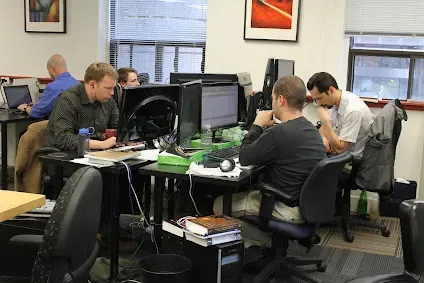
After a year of intense development, we launched at SIGGRAPH 2013. Our reputation in the VFX industry as plugin developers helped us secure coverage in traditional outlets and on social media. We presented to an auditorium of around 200 people and got a lot of attention for delivering a working 3D editor in a web browser. Our partnership with Chaos Group to integrate V-Ray, the leading renderer at the time, added to the excitement.
After the launch, we secured two angel investors, including Marc Petit, former SVP of Autodesk, who knew the professional 3D market well.
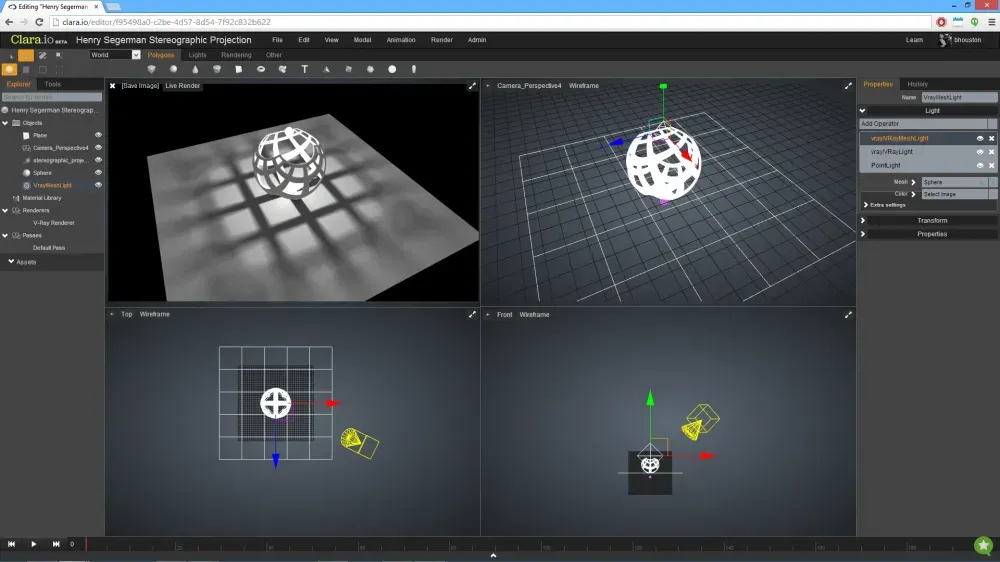
Looking at the UX design on launch day still hurts a little bit. It was rough and dirty. But we polished it into something I was proud of for 2013/2014:
Growth and a Hard Ceiling#
Thousands of people requested invites in the first week, and outlets like CG Channel covered the launch. We introduced features like a searchable model library and real-time pixel streaming with V-Ray, which was unusual for 2014. Within a year and a half, we had attracted more than 100,000 users. (We ended up around 1.5M registered users by the time we sunset Clara.io in 2022.)
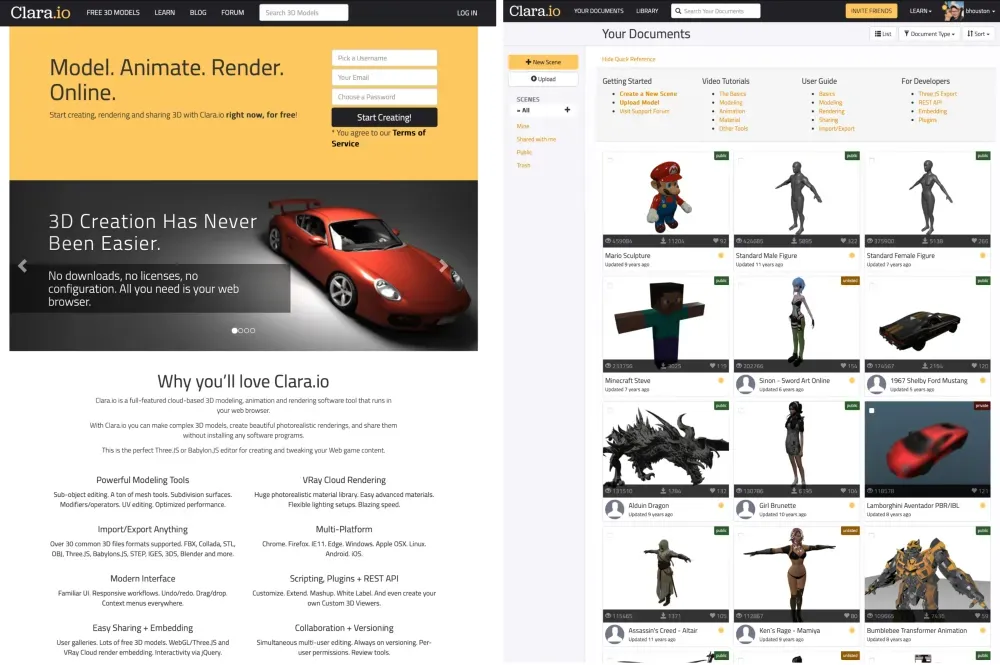
But students and beginners loved Clara.io more than professional artists did. Browser memory limits, around 1GB at the time, and our inefficient data structures made Clara.io struggle with the complex scenes professionals opened every day. Professional 3D artists had invested years in their existing tools and workflows. Clara.io couldn't yet match those tools, so artists stayed where their paid work already happened.
Steelcase Changes the Direction#
Our backup plan also started disappearing. Autodesk announced they were sunsetting Softimage, the platform for which we built most of our desktop plugins. We could no longer count on returning to the old VFX plugin business, and we had borrowed real money to fund Clara.io's development.
Then Steelcase, a major US furniture manufacturer, approached us about using Clara.io to visualize their configurable office chairs. A chair with dozens of fabric and frame combinations is hard for buyers to picture from a spec sheet. We could adapt our technology to store individual components as separate scenes and materials, then assemble them in real time based on user choices.

Steelcase paid an annual licensing fee, and that changed how we thought about Clara.io. We had set out to create a collaborative 3D editing platform, but enterprise product configuration was the business customers would pay for. We followed that work into Threekit.
Sun-setting Clara.io#
Seven years after we had pivoted away from the 3D artist-focused Clara.io toward the enterprise market with Threekit, we made the hard decision to sunset the Clara.io website at the end of 2022. We sent out a shutdown notice giving everyone time to move off of it. The shutdown was discussed on Hacker News and Reddit (here and here), and covered by CG Channel.
Clara.io's initial vision, a Google Docs for 3D, didn't become the business. Steelcase did. The rendering and scene-assembly work we built for artists fit product configuration better than it fit professional 3D workflows, and enterprise buyers were willing to pay for it.